Reflections from the Field #4
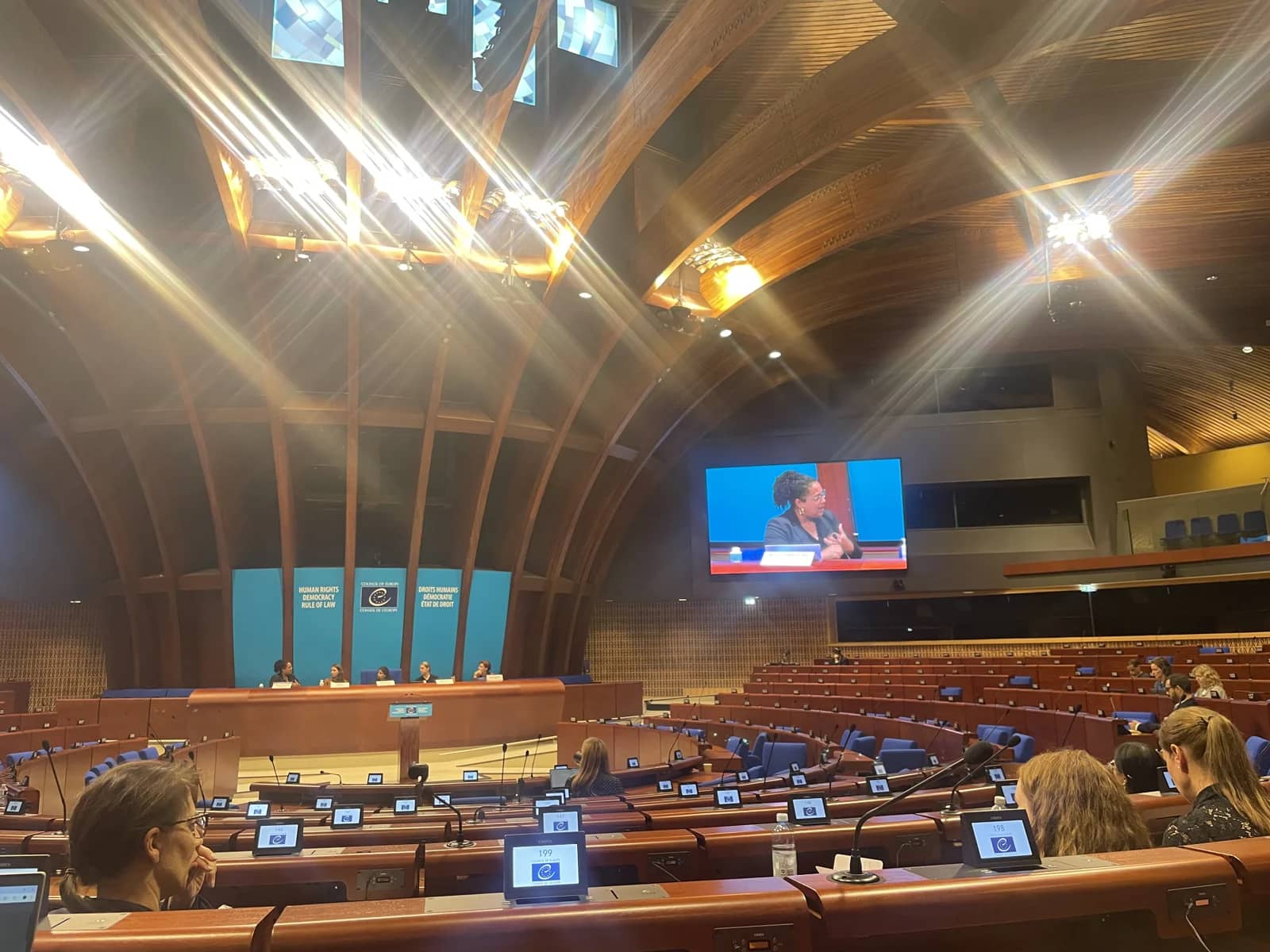
On September 17-18, 2026, arise consulting attended the inaugural Western Europe Business and Human Rights Forum in Strasbourg, France. Under the title “Navigating the Challenges of Our Times: Driving Action on Business and Human Rights”, the Forum brought together practitioners, companies, investors, civil society, and other experts to discuss trends and developments in the business and human rights field in Europe and beyond.
Three insights stayed with us: the importance of localized knowledge, the demand for practical steps to start (conflict-sensitive) human rights due diligence (HRDD), and the cross-functional integration of HRDD for operations in high-risk environments. These insights do not capture the full breadth of what was discussed over two days, and each deserves more space than we can give it here. However, they represent important challenges for businesses today and tie in closely with our own work.
Localized Knowledge Remains Indispensable, even in the Age of AI
AI can help companies aggregate data, summarize media reports, and follow developments in nearly real time. There are many useful tools that can support these tasks. However, knowing what is happening in a country or region is not necessarily the same as understanding what it means locally – that is in the company’s very specific area, town, or village of operation or sourcing.
Knowing what is happening in a country or region is not necessarily the same as understanding what it means locally
This distinction matters particularly in conflict-affected and high-risk areas (CAHRAs) for two primary reasons. First, conflict dynamics can vary significantly between regions and communities or even from town to town within the same country. News reports and aggregated media data usually do not capture these nuances. Second, the information available to a company may not reflect how developments are perceived by or impact affected communities or other local stakeholders. For instance, escalating political or military developments does often not affect all stakeholders equally, including employees, suppliers, and nearby communities. Relying exclusively on desk-based information, including AI-generated summaries, can therefore create a false sense of understanding and security, which in turn may lead to misinformed decision-making.
At the Forum, experts emphasized that a highly localized contextual analysis is important in CAHRAs. Understanding the dynamics on the ground is essential both for assessing how a company’s own activities, relationships, or presence may interact with conflict dynamics and for identifying the company’s human rights risks and impacts.
Such analysis is difficult to conduct from a desk alone. It often requires access to people with strong local knowledge and field connections who can provide context that may not be visible in publicly available information. For companies operating in or sourcing from high-risk environments, this local perspective can be critical to understanding what is actually happening on the ground and what it means for their business and human rights responsibilities.
Where to Start with HRDD?
There is no shortage on publicly available guidelines and briefs on how to conduct HRDD, and several publications even specifically address the so-called “heightened” (i.e., conflict-sensitive) HRDD. These guidelines are particularly useful to understand the fundamental principles and steps of HRDD as well as sector-specific particularities.
For many companies, however, the biggest challenge is often knowing where to actually start with HRDD in their specific constellation of internal units, supplier relationships, and operational and sourcing contexts. This challenge is particularly acute for companies operating in CAHRAs because they typically face increased public attention to their activities as well as heightened litigation and reputational risks.
The biggest challenge is often knowing where to actually start with HRDD in their specific constellation of internal units, supplier relationships, and operational and sourcing contexts
Experts at the Forum agreed that there is no one right way of conducting HRDD, whether in a stable environment nor in a CAHRA. They also shared the view that existing HRDD legislation does not require companies to address all human and environmental risks equally but rather requires them prioritize. Effective and legally sound HRDD is therefore about establishing (and documenting) robust methodologies and a coherent logic to justify, both internally and externally, the risk prioritizations and risk-based approaches taken.
This perspective reveals two key takeaways. First, it eases the burden on companies by allowing them to focus their resources on the highest risks. While priorities vary from company to company, they should include the company’s own business area and activities in CAHRAs, where legal exposure can be particularly significant. Second, it demonstrates – and businesses directly voiced this point at the Forum – that companies need practical, step-by-step guidance on how to identify and prioritize their own activities and suppliers with the highest risks, analyze the risks associated with their relevant CAHRAs, and implement the different HRDD obligations.
HRDD is Inherently Cross-Functional
HRDD is often viewed as a complex, bureaucratic task that requires the establishment of new processes, functions, and responsibilities. This is not entirely wrong – although we would disagree with the bureaucracy argument – as HRDD certainly needs internal structures and clearly assigned responsibilities to stand regulatory and legal scrutiny and be effective in practice.
This view, however, neglects the fact that HRDD can leverage several already existing processes of different corporate departments, and aspects of HRDD can be integrated into these processes. In particular, other compliance management systems, such as anti-money laundering, anti-bribery and corruptions, and sanctions, may already monitor suppliers, customers, or the company’s own employees and activities. HRDD processes may either directly use the outputs of these compliance management systems or add human rights-specific questions to obtain the necessary information.
HRDD can leverage several already existing processes of different corporate departments, and aspects of HRDD can be integrated into these processes
At the Forum, experts mostly emphasized this cross-functional nature of HRDD in the context of CAHRAs and conflict-sensitive HRDD. Existing compliance management systems may produce information that are directly relevant to operations in CAHRAs. For instance, they may examine whether suppliers are subject to sanctions or involved in corruption-related matters. Internal control systems, security departments, or whistleblowing channels may also hold information on the company’s own activities on the ground.
A cross-functional approach can therefore help companies establish internally coherent processes while avoiding unnecessary duplication of efforts. Rather than treating HRDD as an entirely separate system, companies can build on information, processes, and expertise that already exist across the organization. This can help make HRDD more practical and resource-efficient – and, ultimately, less bureaucratic.
Overall, the discussions in Strasbourg reinforced an important point for us: effective HRDD in high-risk environments is not only about having the right policies, procedures, and guidance in place. It is just as much about having access to the right information, knowing where to start, and connecting the different parts of the organization that already hold relevant knowledge and responsibilities.